
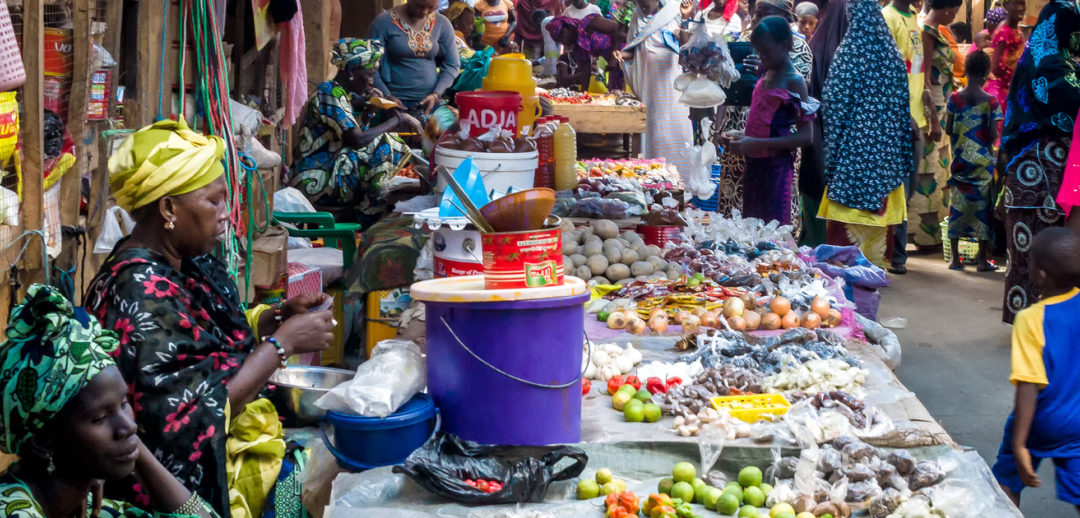
According to Hammawa & Hashim (2016) women entrepreneurial activities are essential for rural economic transformation and poverty alleviation in developing countries. However, women are subject to gender related discrimination (Inganiga, 2008), especially in the low middle-income countries. For example, Nigeria is the largest market in Africa and the 7th most populous country in the world. It is bestowed with numerous mineral and natural resources. In spite of the impressive market potential, a large proportion of Nigerians lack adequate healthcare, shelter and remunerative jobs (Adepoju, 2001). Nigerian women are most affected, being marginalized in decision-making processes, employment, economic opportunities and access to credit. Statistics on poverty in Nigeria indicate that 70 percent of poor Nigerians are women. To be poor means they subsist on a little above $1 a day and suffer from illiteracy, lack of access to water, poor housing, adequate healthcare and declining purchasing power.
Holistic Microfinance a Probable Solution
Over the years, microfinance has emerged as an effective strategy for employment creation and poverty reduction across many developing countries. However, the problem of female gender poverty and marginalization in decision making processes, economic opportunities and access to credit, makes many women unable to participate in economic activities and contribute to community leadership. As a result, some years ago the Nigerian government initiated a series of programs to assist women in obtaining micro-finance and credit (Obayelu, 2006). However, these programs have not achieved the desired goal as the situation has recorded little change. This failure is attributable to factors, such as poor loan quality, high transaction costs, lack of a comprehensive training curriculum and holistic approach to poverty alleviation. When people, male or female have been subject to various kinds of social, economic and emotional hardships and abuse over a long period of time, it takes more than economic solutions to achieve the desired results.
The problem of female gender poverty and marginalization in underserved African communities, such as Nigeria, suggests the need for a holistic microfinance model that offers: 1) low interest rates, 2) a comprehensive curriculum that addresses the needs of low income entrepreneurs, especially poor and vulnerable women’s material, emotional and spiritual development, and 3) the support of an active network of collaborating organizations. This requires a devoted team to take up rural entrepreneurship training and small business financing as an integrated rural development program. This is why I founded GiveCare.
GiveCare Mission
GiveCare is a holistic empowerment program that uses entrepreneurship as a vehicle for leadership development through microfinance. GiveCare focuses on reducing poverty and enhancing the leadership capabilities of poor and vulnerable entrepreneurs, especially women and youth, in underserved communities in Africa. Nigeria, is used as a pilot. GiveCare’s mission is to empower poor and vulnerable women to become both self-sustainable in their business activities as well as holistic participators in community leadership. To accomplish this, GiveCare will leverage mobile technology to facilitate better business management, promote cultural transformation and create greater access to capital through a holistic micro-finance program. In addition to giving micro loans to poor women, GiveCare equips and mentors women to rediscover their true self in God, receive healing from past oppressions, and develop leadership skills to contribute wholesomely to their communities.
The Strength of Collaborative Effort
The challenges of poverty and inequitable development of poor communities in Africa, require our collective contributions. I believe that as we brainstorm together in the weeks and months to come, we can create innovative solutions to some of these challenges. As the blog develops, I will be sharing with you some of GiveCare’s projects. I hope you find them interesting and hopefully become a GiveCare partner.
Welcome to our family!
Scholastica Wilson
President GiveCare
Recent Comments