
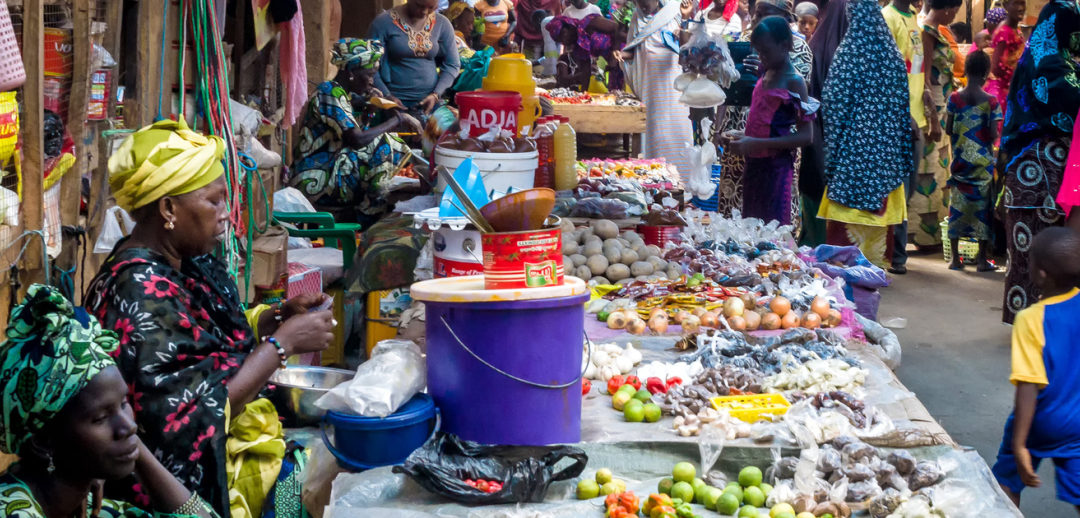
Micro, Small and Medium Enterprises (MSMEs) in Africa are key to Africa’s growth for a number of reasons. According to an article published in the World Economic Forum, these small and growing businesses create around 80% of the region’s employment, establishing a new middle class and fueling demand for new goods and services.
They contribute so much to the continent’s overall GDP, but are plagued with challenges that need to be addressed. According to the IMF in an article called “Regional Economic Outlook for Sub-Saharan Africa“, “Over the next 20 years … sub-Saharan Africa will become the main source of new entrants in to the global labor force.”
While that sounds fantastic, the MSME demographic are plagued with a number of problems that could stifle their ability to truly flourish. Not addressing these issues will ultimately affect the projected GDP growth of the continent. Focus should be placed on the following:
NGOs and Foundations
Non-governmental Organizations and foundations play a huge role in producing these MSMEs through their training and empowerment programs. Said programs have been developed and structured to scale to very large levels. By way of grants and other similar facilities, Governments should encourage these organizations because they are very effective and efficient vehicles of training and empowerment for MSMEs in Africa.
 Public and private sector companies can also seriously contribute to these organizations by giving them free or discounted products and services that can be offered to the MSMEs to help get them started. Imagine transforming a loyal youth, to a micro business owner by training him on the food technology of making pounded yam flour.
Upon graduation from the program, he is setup as a retailer on an eCommerce platform and given a free or discounted MPOS to use in selling his products and managing his entire business.
Financial Inclusion for MSMEs
Banks, credit card associations and other financial institutions need to get even more creative than they have been with their product offering. For example, as is now being realized, putting debit and credit cards into the hands of consumers does not equate to going cashless Africa. It makes natural sense that if consumers with cards are buying mostly from MSMEs that do not even have point of sale (POS) devices, then cash will continue to be the predominant form of payment in Africa.
 Get these MSMEs financially included, put POS devices in their hands and not only train them to use it, but give them incentives to drive usage. The MSMEs are crucial to going cashless in Africa and the problem is that they were never factored into the original plan. The plan was destined to fall short of desired results. There are barriers to financial inclusion for this demographic that should inspire the products and offerings presented to the MSME demographic.
Made in Africa
The continent is flooded with a lot of foreign-made products and quite frankly has developed a cultural belief that those products are better (in terms of quality) than locally made products. That is a facade that should be eradicated through education, encouragement and empowerment. Africa is so rich with resources and Africans are in the best position to make products that are usable, functional and more cost-effective than foreign-imported products. Let me give some examples:
 Zuvaa.com is a platform that has focused on presentation. Inspired by African fabrics and wanting to make an impact in the fashion industry, Kelechi, the CEO of Zuvaa has a platform for tailors, seamstresses and fashion designers from all over Africa and beyond to showcase and sell their outfits. These are not high-end or high class fashion designers.
They are MSMEs who have a true gift to create! Combine that with Kelechi’s ability to stage these designs and showcase them and you have winners all over the continent!!
Check out the Ghana Bamboo Bikes initiative founded by Bernice Dapaah. This is pretty phenomenal and was inspired by the need to created cost effective Bicycles. Videos like these greatly encourage entrepreneurship in Africa.
Innovation Enablers
Incubators, accelerators and other organizations like DEMO AFRICA serve to produce a different caliber of businesses which also fall in the same MSME category. Anything that can be done from the government, public and private sectors to support these outfits should be highly encouraged. Rather than just handing money off to people who will come back for more, the people with disposable income should push their funds towards initiates like these to ensure effective utilization of funds. These venture producing outfits are better equipped to enable and produce scales of successful ventures.

In conclusion, the impact of a thriving MSMEs sector to the African economy and the world at large cannot be underestimated. It is not a simple task and it is not the job of one sector of the continent. On the contrary, it is a collective effort and it cuts across financial, governmental, public and private sectors.
Recent Comments